How Do You Know a Dental Bone Graft Is Healing? What Granbury Patients Can Expect Before Implant Placement

So, how can you tell healing is on track?
What Does the Dental Bone Graft Healing Process Feel Like?
Some swelling and discomfort are expected after oral surgery. Discomfort and swelling after bone grafting generally subside within a few days. Cold packs during the first 48 hours can also help manage swelling.
As the area heals, you should gradually become more comfortable. However, feeling back to normal doesn’t mean the bone underneath the gums is ready for an implant. The graft still needs to integrate with your existing jawbone, which takes longer than the initial surgical recovery.
How Does Your Oral Surgeon Know the Graft Has Healed?
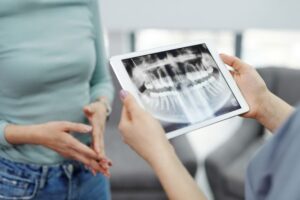
This isn’t something you can confirm by looking in the mirror. Your oral surgeon in Granbury evaluates the graft and determines when there is adequate bone to move ahead with implant placement.
That follow-up is an important part of the process. Even if the graft site feels completely normal, don’t assume you’re ready for the next procedure until your surgeon has evaluated your healing.
Do I Need a Bone Graft for Implants in Granbury?
Not everyone does. A bone graft for Granbury dental implant patients may be recommended when bone loss has left too little tissue to create a stable foundation for an implant. Tooth loss itself can contribute to declining bone mass over time.
Your surgeon can evaluate the implant site and determine whether grafting is necessary before placement.
How Long Does a Jaw Bone Graft in Granbury Take to Heal?
Initial soreness and swelling may improve within days, but bone integration takes longer. Archer Peak notes that grafting can add several months to the overall implant treatment timeline. Your individual schedule depends on the extent of grafting and how your body heals.
The cost of bone grafting in Granbury can also vary based on the treatment required, so an individual evaluation is necessary for accurate pricing.
If you’re preparing for an implant or have questions about how your graft is healing, contact Archer Peak Oral Surgery’s Granbury office to schedule an evaluation. Your surgeon can check your progress and determine when your jaw is officially ready for the next step.